
OM SYSTEM Buyers Guide
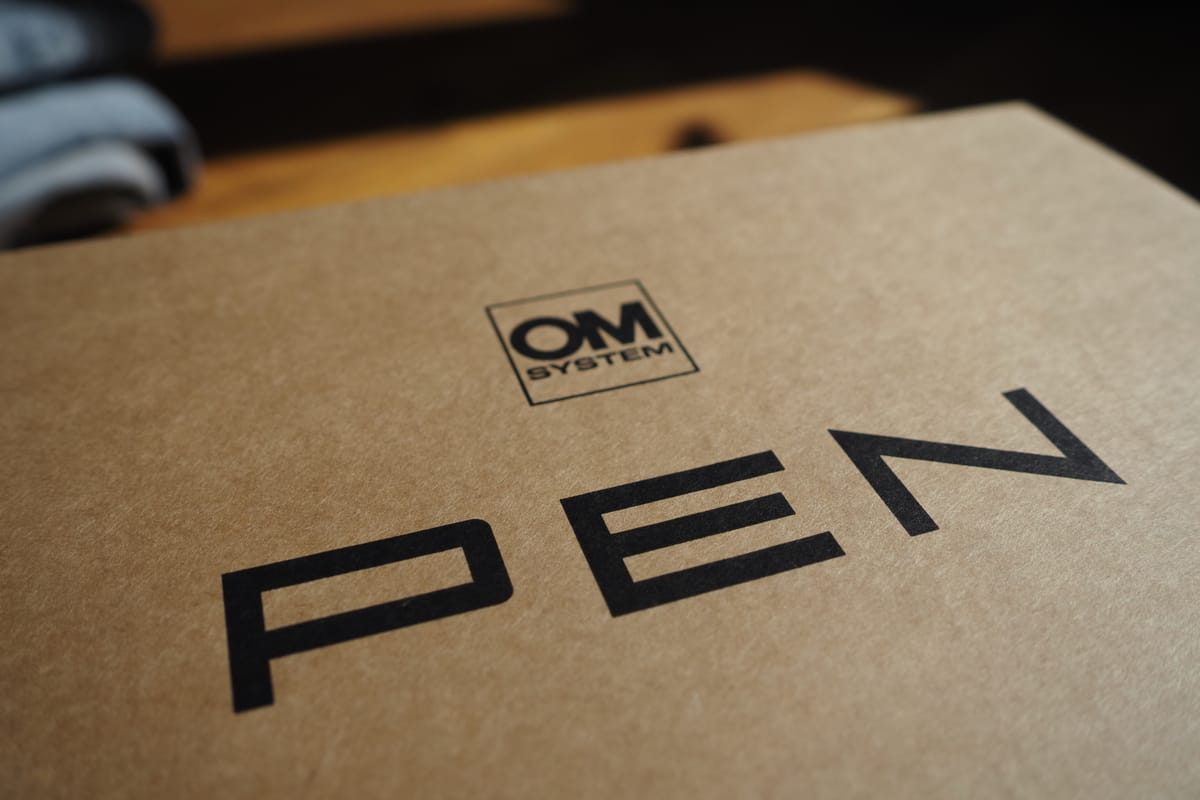
The OM SYSTEM family of cameras is growing slowly but steadily, and I believe we've reached a point where there is something for everybody, even without considering older models, which you totally should! I’ve had the privilege of using all but one of the new OM SYSTEM cameras. The only one missing is the OM-3 ASTRO. Since it’s essentially a highly specialized OM-3, and I’ve done my fair share of astrophotography with the standard model, I’m taking the liberty of including it in this list as well.
To understand my guide a bit better, I think it's necessary for you to know how I use these cameras. My main use case is family and travel photography with some street photography in the mix. Since I'm regularly participating in photography competitions, I'm dabbling in all sorts of genres with a very heavy portion of wildlife photography. I'm predominantly a stills photographer, and I don't really care about video features. Thus, video features are not part of my rating.
Since I care quite a bit about AF and subject detection, I'll highlight those in a separate paragraph for each camera down in the text.
Quick Overview
| Camera Model | Family & Travel |
Street | Landscape | Wildlife | Action & Adventure |
Astro- photography |
|---|---|---|---|---|---|---|
| OM-1 II | ★★☆☆☆ | ★★☆☆☆ | ★★★★★ | ★★★★★ | ★★★★★ | ★★★★★ |
| OM-3 | ★★★☆☆ | ★★★☆☆ | ★★★★★ | ★★★★☆ | ★★★☆☆ | ★★★★★ |
| OM-3 ASTRO Dedicated IR/Hα Special | ★☆☆☆☆ | ★☆☆☆☆ | ★★☆☆☆ | ★☆☆☆☆ | ★☆☆☆☆ | ★★★★★★ |
| OM-5 II | ★★★★★ | ★★★★☆ | ★★★★☆ | ★★★☆☆ | ★★★☆☆ | ★★★★☆ |
| PEN | ★★★★☆ | ★★★★★ | ★★★☆☆ | ★★☆☆☆ | ★★☆☆☆ | ★★☆☆☆ |
| Tough TG-7 Rugged / Waterproof | ★★★★★ | ★★☆☆☆ | ★★☆☆☆ | ★★☆☆☆ | ★★★★★ | ★☆☆☆☆ |
OM-1 II
The flagship OM-1 II remains the absolute benchmark for speed and tracking precision. Built with a stacked BSI sensor and the system’s most advanced AI-driven subject detection, it excels at capturing fast action, flying birds, and unpredictable wildlife. Its substantial handgrip balances heavy telephoto lenses effortlessly during long sessions, making it the ultimate tool for demanding action photographers with ergonomics that you might only otherwise see from Nikon. But its larger footprint is simply overkill for casual street or everyday shooting. The OM-1 II is the only camera on this list that allows you to install a battery grip. Best companion for everything from the Arctic Circle to the Sahara Desert.
AF: Best AF and subject detection on this list. The animal subject detection is imho even better than on some other manufacturers' flagship models. Human detection has seen quite an improvement compared to its predecessor and is competitive in the camera market. There is also a subject detection for planes, trains, and cars. But I haven't tried those extensively. They work.
Good: Flagship, which can do everything, with excellent ergonomics.
Bad: Big and heavy for MFT standards.
OM-3
Sharing the same internals as the flagship, the OM-3 sits in the sweet spot for landscape and nature photographers or anything else that demands the highest quality in a smaller and more stylish footprint. It offers the exact same High-Res capabilities, Live ND filters, and IP53 weather sealing as the OM-1 II, but housed in a sleeker, lighter body without the integrated vertical grip. Unless you specifically need the ergonomics and much better EVF for fast-moving wildlife, the OM-3 delivers peak image quality and outdoor durability in a far more packable design.
AF: Same excellent AF and subject detection as the OM-1 II.
Good: Near flagship performance disguised as a fun camera, with a nice retro charm. Still completely tactile.
Bad: EVF not as good as the OM-1 II's. Heavier lenses might need an additional grip.
OM-3 ASTRO
Designed strictly for deep-sky imaging, the OM-3 ASTRO is a hyper-specialized tool that stands apart from standard models. Featuring a factory-modified IR-cut filter optimized for Hα wavelengths, it reveals faint, deep-red emission nebulae that standard camera sensors block out. Dedicated Astro-profiles and Starry Sky AF make it unmatched under the stars. However, this modified filter introduces severe color shifts in natural light, rendering it unsuitable for daytime or general-purpose photography. I should also mention that, apart from the TG-7, every camera on this list comes with Starry Sky AF.
AF: Again, this has the flagship AF and, more importantly, comes with Starry SkyAF.
Good: Provides you with access to a wide range of excellent and interesting pro lenses suitable for astrophotography.
Bad: You pretty much can't use it for anything else.
OM-5 II
The OM-5 II is the ultimate active travel companion, balancing high-end features with exceptional portability. While it shares much of its internal sensor performance with the PEN, it earns higher marks for family and outdoor travel thanks to its rugged IP53 weather sealing, a robust handgrip for handling zoom lenses, and a versatile fully articulating display. It easily survives unexpected rain, beach sand, and active family outings where lighter lifestyle bodies might struggle.
AF: Very accurate, reliable, and fast AF. But subject detection is limited to (human) face and eye detection. Works reliably when close up. But nothing to brag about.
Good: You won't find a more lightweight and affordable interchangeable lens camera with an IP 53 rating for that price.
Bad: AF is good, but subject detection is a bit dated.
PEN
With its retro rangefinder styling and ultra-compact build, the PEN is designed for street photographers and urban travelers who prefer discretion over heavy ruggedness. Its low-profile design lets you capture candid shots without drawing attention. Finally, this is a Pen that has an EVF again. Although its much smaller grip and lighter weather protection sacrifice some outdoor versatility in favor of style and city-friendly portability, it manages "normal" travel with grace. But I wouldn't necessarily take it on a trip through the Amazonas.
AF: Same AF as the OM-5 II, but with much improved subject detection. Humans are detected and tracked much better. Animals (dogs, cats, and probably other animals of that shape) are in the subject detection list now as well.
Good: Stylish and lightweight EDC (Every Day Camera). Subjection detection is updated compared to the OM-5 II.
Bad: Fairly slow continuous shooting. The only camera on this list with no Sync-IS, where the IBIS is working hand in hand with the lens' stabilisation.
Tough TG-7
The Tough TG-7 breaks the mold of conventional interchangeable-lens cameras to deliver pure peace of mind. Drop-proof, freeze-proof, and waterproof straight out of the box, it is a camera you can hand to your kids at the beach, submerge in water, or throw into a backpack without a second thought. While its smaller sensor limits low-light range and background blur, its indestructible build and incredible built-in microscope mode make it an unbeatable choice for family adventures and extreme environments. Not a single week passes where my kids don't use the macro mode to take a look at something. But you should buy the LED ring for that.
AF: Solid AF with basic subject detection for humans.
Good: You give up before the camera does.
Bad: Image quality is significantly lower than that of the other cameras. Not good in low light. Accessories can get expensive: LED ring, fisheye converter lens, lens barrier, teleconverter lens, aso.